Authentic Flavors: Styling with Chinese Food Icon (Color) - 16
There is a specific kind of energy that comes from hand-drawn illustration, especially when it depicts something as universally loved as food. In the digital space, where perfection and pixelation often dominate, finding assets that feel organic and warm is essential for connecting with an audience. The Chinese Food Icon (Color) - 16 collection offers exactly that—a vibrant, character-rich set of illustrations that can bridge the gap between a sterile digital interface and the comforting experience of a great meal. As a designer or business owner, you know that the right visual asset isn't just about filling a blank space; it’s about setting a tone that resonates immediately.
The Visual Character of the Set
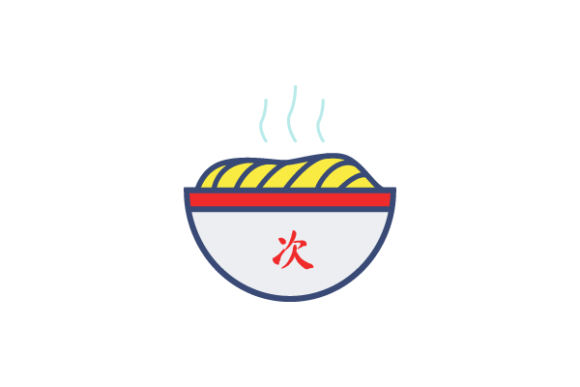
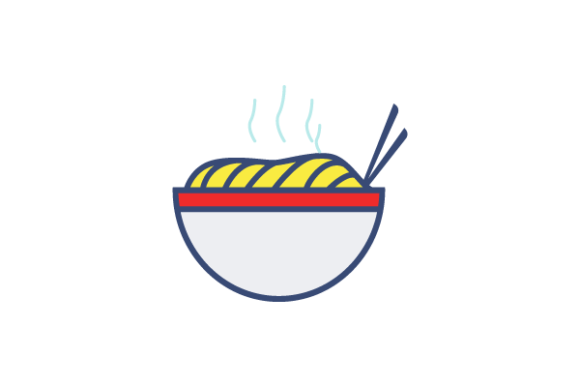
At first glance, the personality of this collection is unmistakable. It avoids the cold, vectorized look of standard corporate icons in favor of a style that feels hand-crafted and spirited. The line work possesses a natural wobble and weight variation that suggests an actual pen or brush stroke, giving the illustrations a tactile quality. This "imperfect" perfection is what makes the Chinese Food Icon (Color) - 16 set so appealing. It feels approachable rather than manufactured.
The color palette is another defining feature. These aren't just black outlines waiting to be filled; they arrive in full, vibrant color. You will likely see rich reds, deep greens, and warm earth tones that evoke the actual ingredients of the cuisine—chili, scallions, ginger, and soy. This chromatic confidence means the icons can stand alone as focal points without needing heavy post-production. Whether you are using the PNG files for digital projects or the EPS 10 files for print, the visual integrity remains sharp. The high-resolution 300 DPI output ensures that whether you are scaling up for a restaurant banner or down for a mobile app icon, the lines stay crisp and the colors stay true.
Strategic Applications for Modern Brands
Understanding where these assets fit best requires looking beyond the obvious. While they are perfect for a Chinese takeout menu, their utility extends far into the realms of packaging design, social media graphics, and even editorial design.
For the entrepreneur or small business owner, consistency is key to brand identity. If you run a food blog, a delivery service, or a pop-up kitchen, using a cohesive set like Chinese Food Icon (Color) - 16 allows you to build a recognizable visual language. Imagine using these icons as bullet points in your weekly newsletter or as visual breaks in a long-form recipe post. They inject personality into your content without overwhelming the text.
For marketers and content creators, the challenge is often engagement. Static text rarely stops a user from scrolling on platforms like Instagram or Pinterest. However, a playful, high-quality illustration of a dumpling or a bowl of noodles can act as a visual anchor. These icons work exceptionally well for creating "listicle" style graphics—such as "Top 5 Spicy Dishes"—where the iconography guides the reader’s eye down the page. The EPS 10 vector format is particularly useful here, as it allows you to resize elements for different aspect ratios without losing quality, ensuring your web design elements match your print flyers.
Integrating Icons into Your Design Workflow
Adopting a new set of design assets into an existing workflow requires a bit of strategy. The first step is evaluating the file types provided. The inclusion of both PNG and EPS 10 files in the Chinese Food Icon (Color) - 16 download is a significant advantage. The PNGs are ready for immediate use in drag-and-drop environments like Canva or basic web builders, making them ideal for quick social media updates or blog headers. The EPS files, on the other hand, are the workhorses for professional projects. They can be imported into Adobe Illustrator or CorelDRAW, allowing you to tweak colors to match a specific brand hex code or isolate parts of the illustration for a more complex composition.
When incorporating these into a layout, pay attention to visual hierarchy. Because the illustrations are detailed and colorful, they naturally draw the eye. This makes them excellent for logo design elements or hero images, but they should be used sparingly in body text to avoid clutter. A common mistake in modern typography is fighting for attention between the font and the image. If you are pairing these icons with text, consider using a clean, sans serif font for your headers. The geometric simplicity of a sans serif typeface creates a pleasing contrast with the organic, hand-drawn nature of the icons, ensuring the layout feels balanced rather than chaotic.
Practical Considerations for Usage
Before finalizing your project, it is wise to test how these icons interact with your specific color schemes. While the default colors are designed to be appetizing, you may need to adjust saturation or brightness depending on your background. For instance, if you are printing on dark paper for a premium menu, you might need to invert the colors or add a subtle drop shadow to ensure the Chinese Food Icon (Color) - 16 illustrations pop.
Furthermore, always consider the licensing of your commercial font and asset purchases. Since these are premium assets delivered without watermarks, they are intended for professional use. However, checking the specific terms regarding merchandise (like t-shirts or mugs) versus digital use is always a responsible practice for any serious business owner.
Ultimately, the value of the Chinese Food Icon (Color) - 16 set lies in its ability to humanize digital communication. In a market saturated with generic stock photography and sterile vector graphics, choosing assets that have character and warmth can significantly elevate your brand perception. It signals to your audience that you care about the details, and in the food industry, details are everything. Whether you are a crafter making greeting cards or a publisher laying out a cookbook, these illustrations offer a reliable, high-quality foundation for creative storytelling.